Syria's First Post-Assad Ramadan Marked by Hope and Sectarian Violence in Damascus
New flags wave in spring's warm breeze
Old wounds still bleeding
Syria's first Ramadan since the fall of the Assad regime in December 2024 has been marked by both newfound freedoms and concerning sectarian violence in Damascus.
The capital city has seen dramatic changes since former President Bashar Assad was overthrown by armed insurgents led by the Islamist group Hayat Tahrir al-Sham (HTS) [1]. The iconic Umayyad Mosque, once a place of restricted worship, now hosts more open religious gatherings.
'The rituals have become much more beautiful,' said Sahar Diab, a Damascus lawyer. 'Before, we were restricted in what we could say... Now, there's freedom.' [1]
However, recent clashes in Syria's coastal region have cast a shadow over the transition. Human rights groups report hundreds of civilian casualties following attacks by Assad loyalists on government security forces and subsequent revenge killings. The Syrian Observatory for Human Rights confirms most victims were from the Alawite minority community [1].
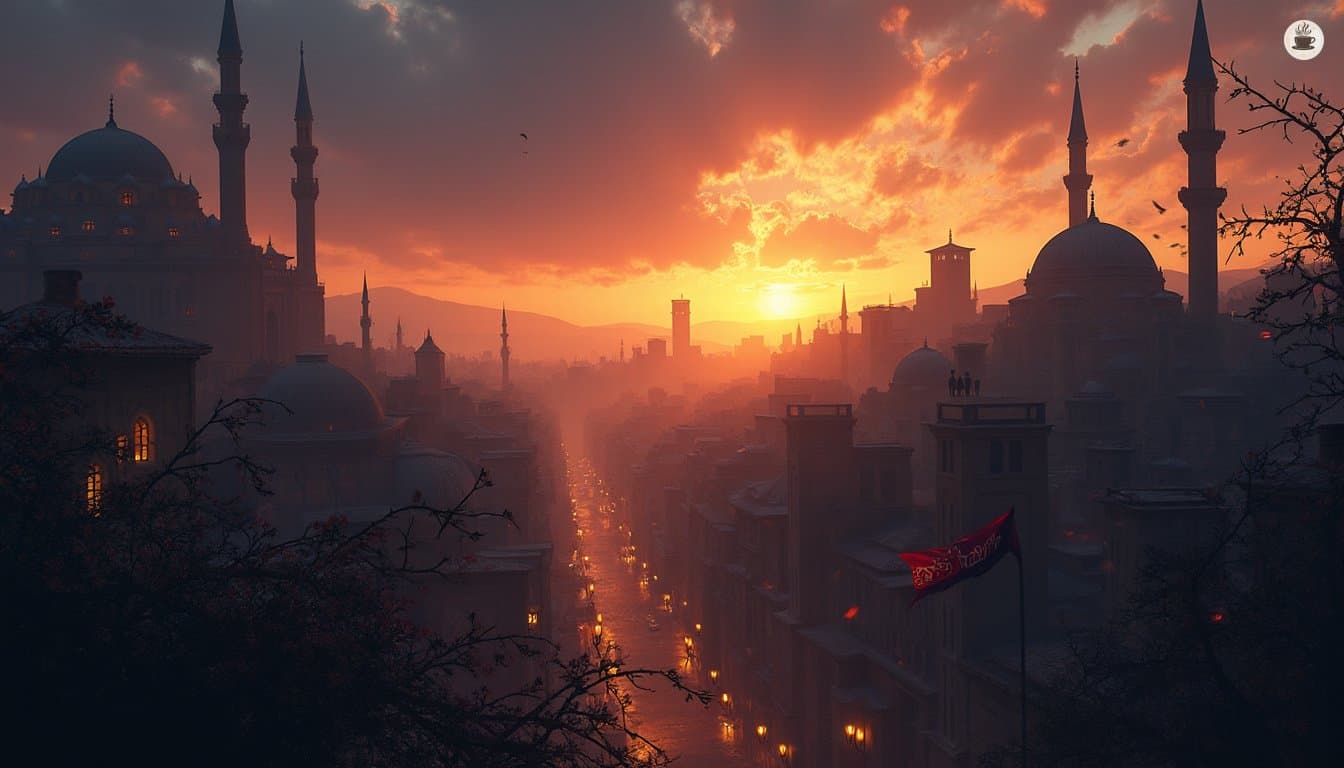
Physical changes in Damascus reflect the political transformation. The new three-starred flag of the opposition now decorates city streets, while images of former presidents Bashar and Hafez Assad have been defaced on government buildings [1].
Security improvements are notable, with the removal of feared Assad-era checkpoints. However, economic and social challenges persist. Sheikh Adham al-khatib, representing Syria's Shiite minority, reports that some religious minorities who initially fled after Assad's ouster have returned, though recent violence has renewed concerns [1].
Attempts at unity face ongoing challenges. A recent peace vigil in Damascus deteriorated into confrontation, with protesters divided along sectarian lines despite chants of 'The Syrian people are one.' The gathering ended when security forces fired warning shots to disperse the crowd [1].